First Aid Checklist for Construction Workers
A practical first aid checklist for construction workers, covering kit supplies, emergency readiness, restocking habits, and jobsite safety planning.
Construction work can involve sharp tools, dust, heavy materials, outdoor exposure, moving vehicles, and changing jobsite conditions. A practical first aid checklist for construction workers helps site managers keep essential supplies organized and easier to access when minor injuries or urgent situations occur.
This article is a general purchasing and readiness guide. Site requirements may differ by country, project type, workforce size, and local workplace safety rules. For regulatory context in the United States, OSHA’s construction first aid rule is available at 29 CFR 1926.50.
Core first aid supplies for a construction site
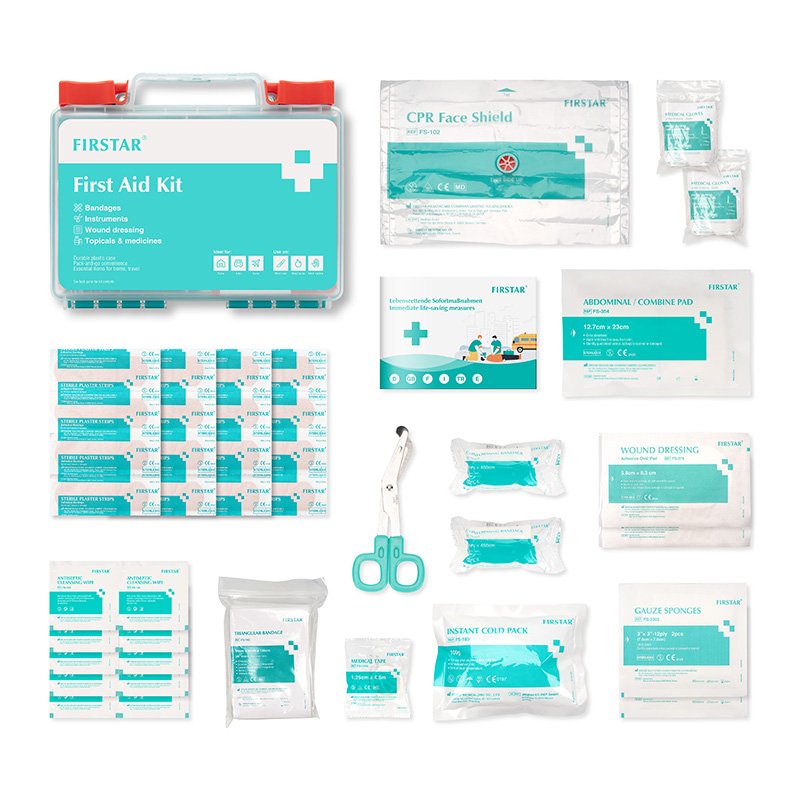
- Sterile gauze pads, wound dressings, adhesive bandages, and rolled bandages
- Medical tape, disposable gloves, antiseptic wipes, and wound cleaning supplies
- Scissors, tweezers, safety pins, and simple first aid instructions
- Eye pads or eye wash items where dust, debris, or splash risks may exist
- Cold packs, burn dressings, and emergency blankets when suitable for the site risk profile
- Refill packs for frequently used items so the kit can be restored quickly after an incident
Emergency readiness items to keep visible
- Emergency phone numbers and site address information posted clearly
- A charged phone or communication method for contacting emergency services
- A record of kit checks, restocking dates, and used items
- Clear location signs so workers know where first aid supplies are kept
- Named responsible staff for checking the kit and replacing used supplies
How buyers can choose a suitable construction first aid kit
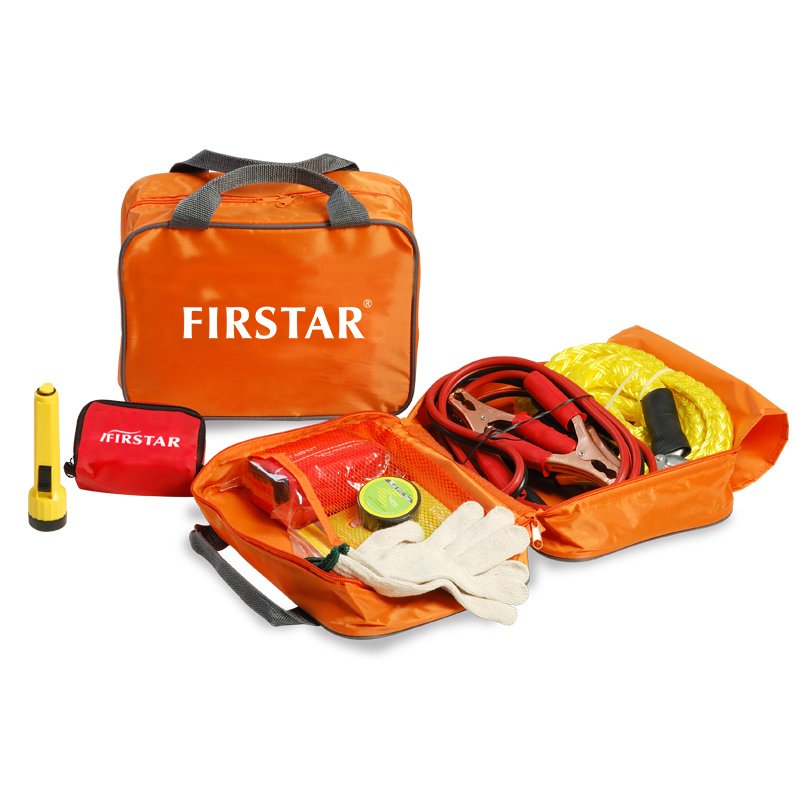
For B2B buyers, the right construction first aid kit depends on worksite size, injury risks, local rules, packaging format, and refill planning. Some customers may prefer a wall-mounted box for a fixed site, while mobile teams may need portable kits for vehicles or field work.
Buyers should also consider whether the kit will be used indoors, outdoors, in vehicles, or across multiple work areas. A clear layout, durable case, visible labeling, and easy restocking process can make the kit more practical for daily jobsite use.
FIRSTAR sourcing support
FIRSTAR can discuss first aid kits, refill items, packaging formats, and private label needs for workplace and construction safety programs. Buyers can review related options in the Product Catalog Center, browse the First Aid Checklist Catalog, or send requirements through the contact page.
How to use a first aid checklist on a jobsite
A first aid checklist is most useful when it is treated as a working tool, not a one-time purchasing list. Construction sites change as work moves from one phase to another. A kit that was suitable during early preparation may need different refill habits once cutting, lifting, installation, finishing, or outdoor work becomes more frequent.
Site managers and safety buyers should review the kit location, contents, visibility, refill process, and staff awareness. Used, expired, damaged, or contaminated items should be replaced quickly. Local workplace rules and project requirements should also be checked before selecting final kit contents. FIRSTAR can support product sourcing, but the final jobsite plan should always match the buyer’s operating environment.
Restocking habits matter as much as the first purchase
For construction work, the first aid kit should be easy to inspect and easy to restock. A good checklist helps the person in charge notice which items are used most often, which items expire quickly, and which supplies are missing after a busy work period. This habit is especially important for gloves, dressings, adhesive bandages, wipes, tape, and eye care items because these are often used before anyone remembers to record them.
Buyers sourcing kits for multiple sites can also standardize the refill list. That makes purchasing easier and helps each location maintain a similar level of readiness.
A first aid checklist also helps purchasing teams compare kit contents across different projects. When the same first aid checklist is used for regular inspection, replacement supplies become easier to forecast and the site can avoid waiting until an emergency exposes a missing item.
What should be in a construction first aid kit?
A construction first aid kit commonly includes wound dressings, adhesive bandages, gauze, tape, gloves, antiseptic wipes, scissors, tweezers, eye care items, cold packs, and clear first aid instructions. The exact contents should match local rules and site risks.
How often should a construction first aid kit be checked?
A kit should be checked regularly and after any incident. Used, damaged, contaminated, or expired items should be replaced so the kit stays ready for daily worksite needs.
Can FIRSTAR support workplace first aid kit sourcing?
Yes. FIRSTAR can discuss kit contents, packaging, refill items, and B2B supply needs for workplace, construction, vehicle, and safety product programs.
Should construction first aid kits follow local regulations?
Yes. Buyers and site managers should check local workplace safety rules and project requirements when choosing kit contents and first aid readiness procedures.