How to Prepare for Emergencies with a First Aid Kit
Learn how to prepare an emergency first aid kit for home, workplace, travel, outdoor, and B2B sourcing needs.
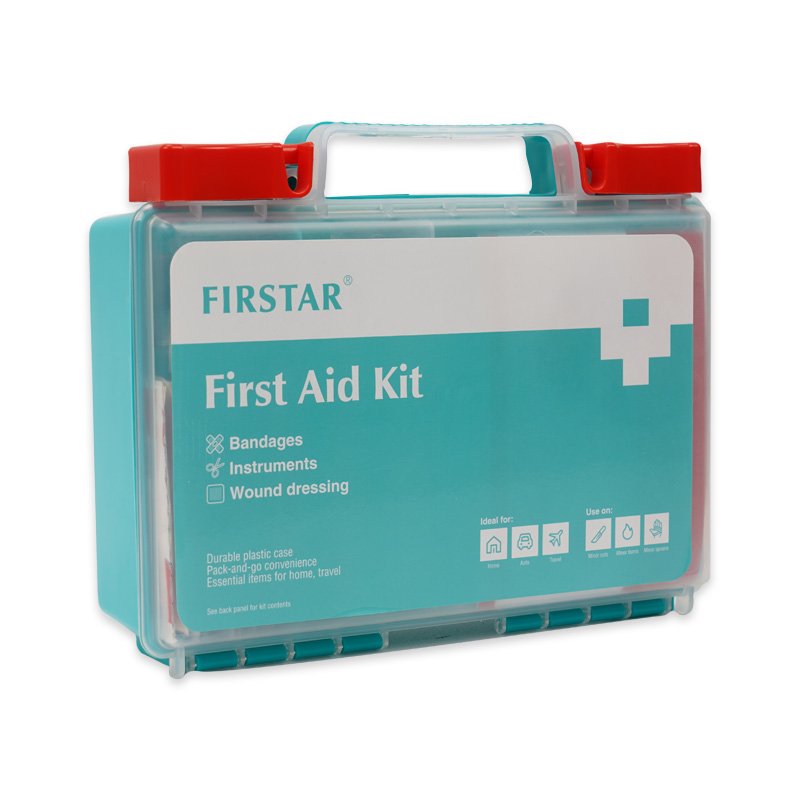
An emergency first aid kit helps people respond calmly to minor injuries at home, at work, on the road, or outdoors. It does not replace medical care, but it gives you organized supplies while you decide whether professional help is needed.
The best first aid kit is not always the biggest one. It is the kit that matches the people, setting, and likely risks around it. A family bathroom, a warehouse, a vehicle, and a hiking bag may all need different contents.
Start with the situations you are preparing for
Before choosing supplies, think about where the kit will be used. A small travel kit may focus on cuts, blisters, and minor wound care. A workplace kit may need more organized refills and clearer access. A home kit should be easy for family members to find quickly.
- Home and family use
- Workplace, warehouse, or office readiness
- Vehicle, travel, camping, and outdoor activities
- Retail, school, sports, and community settings
For general household emergency planning, the official Ready.gov emergency kit guidance is a useful reference. FIRSTAR buyers can also compare product directions in our first aid kit resource hub.
Choose first aid supplies that are easy to understand
A practical first aid kit should help with common, minor injuries such as small cuts, scrapes, blisters, and simple wound covering needs. Basic contents often include adhesive bandages, sterile gauze, tape, cleansing wipes, gloves, scissors, tweezers, and simple dressing supplies.
The American Red Cross also provides a helpful overview of common first aid kit supplies. Buyers should still check local requirements, product labels, and intended use before deciding the final content list.
Keep the kit visible and easy to reach
A first aid kit that is hidden, locked away, or hard to open may not help when someone needs it. Store the kit in a clean, dry, visible place. Make sure family members, employees, or team members know where it is and when to use it.
For workplaces, access and responsibility matter. Assign someone to check the kit regularly, replace used items, and keep the location consistent. Workplace buyers should also review local workplace safety rules and relevant OSHA first aid information when planning supplies for the United States.
Check the kit before supplies expire or run out
Emergency preparation is not a one-time task. Adhesive products can age, sterile items can expire, and frequently used supplies may run out. A simple monthly or quarterly check helps keep the kit ready.
- Replace missing or opened supplies after use
- Check expiration dates on sterile or dated products
- Keep the kit clean, dry, and sealed when not in use
- Update the contents when the environment or number of users changes
Learn basic first aid before an emergency happens
Supplies are more useful when people know how to use them. Basic first aid and CPR training can help families, workplaces, schools, outdoor groups, and safety teams respond with more confidence. If an injury is serious, call local emergency services and follow professional medical guidance.
FAQ about emergency first aid kit preparation
What should I put in an emergency first aid kit?
Start with supplies for common minor injuries, including adhesive bandages, gauze, tape, cleansing wipes, gloves, scissors, tweezers, and dressing items. Then adjust the contents for home, workplace, travel, outdoor, school, or vehicle use.
How often should a first aid kit be checked?
For home use, check it at least a few times a year. For workplaces, retail programs, vehicles, or outdoor teams, check it more often and replace supplies after every use.
Where should a first aid kit be stored?
Keep it in a visible, dry, and easy-to-reach location. Everyone who may need the kit should know where it is stored. Avoid places where heat, moisture, or clutter can damage the contents.
Can one first aid kit work for every situation?
Not always. A compact travel kit, a home kit, a workplace kit, and an outdoor kit may need different quantities, packaging, and contents. Buyers should choose the kit based on the real use environment.
Can FIRSTAR help with custom first aid kit programs?
Yes. FIRSTAR supports B2B first aid kit sourcing, private label packaging, content list discussion, and catalog matching. You can review our FIRSTAR product catalog center or contact FIRSTAR for current options.
Work with FIRSTAR on first aid kit sourcing
FIRSTAR supplies first aid kits and emergency care products for distributors, retailers, workplaces, and private label buyers. If you are building a product program, our team can help compare kit formats, packaging options, and suitable content lists.
For more related questions, visit the FIRSTAR FAQ page or send an inquiry through the official contact page.