

FIRSTAR Pet First Aid and Care Kits
FIRSTAR pet first aid and care kits support B2B buyers planning pet care, travel, outdoor, retail, and private-label first aid product ranges.
Product categories
All ProductsExplore products
Explore products
Browse the complete range and available sourcing options.
View all Military & TacticalExplore products
Browse the complete range and available sourcing options.
View all New ArrivalsPractical FIRSTAR first aid kit resources for buyers comparing kit contents, packaging formats, catalogs, checklists, and OEM sourcing support.
This FIRSTAR topic hub helps B2B buyers review first aid kit resources before choosing kit contents, packaging formats, catalog references, and sourcing support. It is built for buyers who need practical product information, not a generic article list.

A first aid kit is rarely a single-product decision. Buyers may need to compare the outer case, internal supplies, refill items, labeling, instructions, carton planning, and the sales channel where the kit will be used. A workplace kit, vehicle kit, travel kit, home kit, and promotional kit can all require a different product mix.
These first aid kit resources are meant to help buyers slow down before requesting a quote. Instead of choosing a kit only by item count, the buyer can check whether the kit format, refill plan, packaging, and product story fit the real sales channel.
The most useful starting point is to define the user environment. A construction site usually needs different supplies from a family travel kit. A distributor may care more about carton efficiency and shelf-ready packaging. A brand owner may care more about logo placement, instruction language, barcode area, and stable repeat orders.
For buyers selling into the United States, OSHA’s medical and first aid information can be a useful background reference when reviewing workplace first aid planning. It should not replace local legal advice, but it helps buyers understand why kit placement, contents, and refill routines matter.
Review available FIRSTAR catalog directions before narrowing your kit contents, case style, and packaging plan.
Use checklist content to plan kit placement, refill habits, workplace safety, and practical emergency preparedness.
Clarify packaging, logo, carton, instruction, and product range needs with the FIRSTAR team.
Use the articles below to build a short internal brief before contacting the team. A good brief does not need to be perfect. It only needs to show the intended buyer, likely product format, packaging direction, and the questions that matter most for your market.
If you are comparing several kit types, send FIRSTAR the target market and a few reference photos or catalog links. The team can help connect first aid kit resources with product catalogs, customization options, and a more practical quotation discussion.
When first aid kit resources are used together with catalogs and customization notes, the sourcing conversation becomes much cleaner. Buyers can avoid vague requests and move toward contents, packaging, samples, and repeat order planning.
Catalog pages are most useful when they are treated as a starting point rather than a finished specification. Buyers should note the product family, case format, supply mix, packaging direction, and any items that need clarification. A catalog reference can then be combined with destination-market requirements, expected quantity, and private-label artwork to create a more accurate request.
When comparing first aid kit resources, check whether each source describes the intended use, refill approach, storage format, and buyer channel. This makes it easier to separate a general product idea from a practical sourcing brief. Buyers can also review the FIRSTAR catalog request page when they need a category-specific catalog rather than a public PDF.
Prepare the target use case, sales channel, destination market, estimated quantity, preferred case style, packaging direction, and any required contents or documentation.
Yes. FIRSTAR can discuss kit contents, cases or bags, label design, instructions, carton planning, and private label requirements.
A checklist helps buyers inspect, refill, and standardize kits across sites, but final contents should still match local rules, workplace risks, and buyer requirements.
Start with the use environment, then confirm case durability, portability, supply contents, refill habits, shelf display needs, and carton planning before finalizing a kit.
Use the resources to prepare a simple sourcing brief with the target user, kit type, packaging needs, quantity range, and any reference product or checklist.
FIRSTAR tick removal kit includes practical tools for pet care, outdoor use, home first aid, and family safety product ranges.
Read the articleFIRSTAR pet first aid and care kits support B2B buyers planning pet care, travel, outdoor, retail, and private-label first aid product ranges.
FIRSTAR elderly care first aid kit is designed for home care, travel, and senior support product ranges, with portable storage and practical first aid supplies.
FIRSTAR venom extractor kit is a compact outdoor first aid product option for travel, camping, emergency preparedness, and B2B safety ranges.
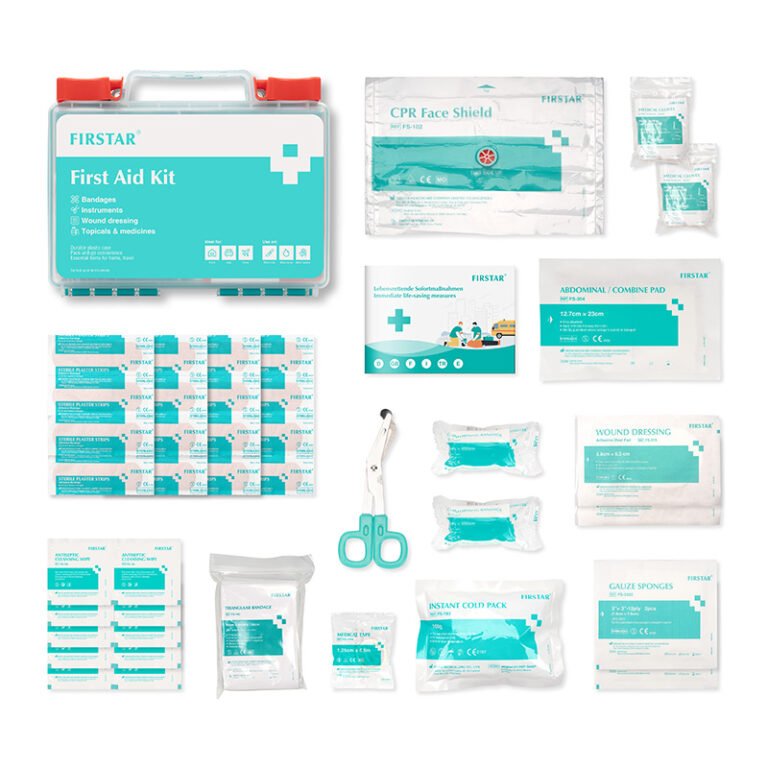
Plan a FIRSTAR order from specification confirmation through production, packaging, inspection, export documents and shipping preparation.
As parents and caregivers, it’s important to teach kids about emergency preparedness. One way to do this is by introducing them to first aid…
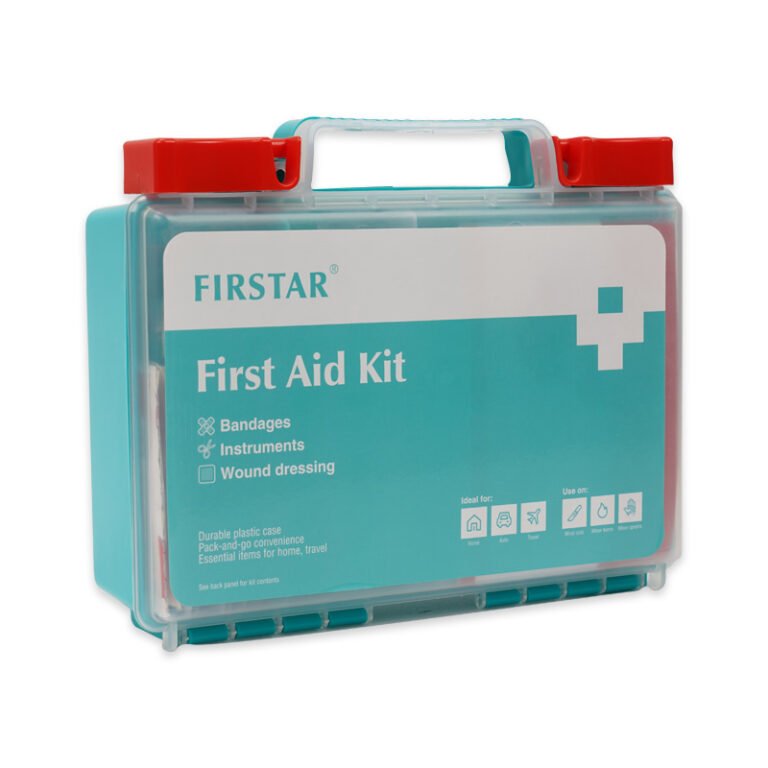
Learn how to prepare an emergency first aid kit for home, workplace, travel, outdoor, and B2B sourcing needs.
Tell FIRSTAR your product category, market, packaging needs, and order plan. Our team can help you move from article research to a practical sourcing conversation.
You can update your preferences at any time from the Cookie settings link in the footer.